
Les 20 commandements
Here is a short, non-exhaustive list of useful information to help make your stay in South Africa as smooth as possible.
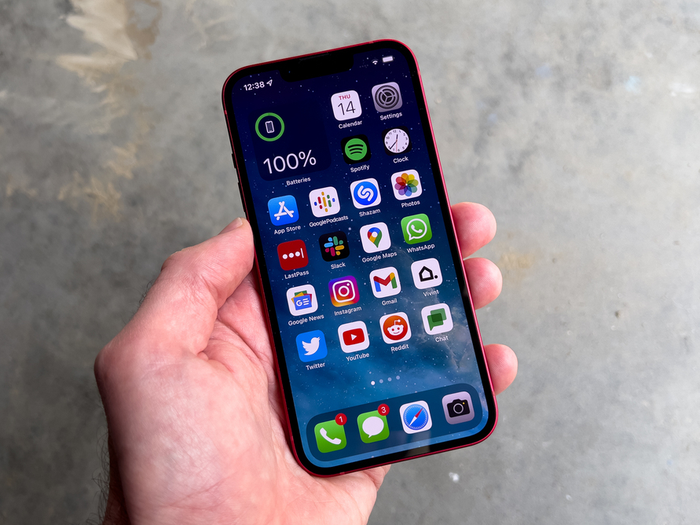
Stay connected
The best way to stay connected in South Africa is to bring an old smartphone from home and purchase a prepaid SIM card on arrival. It is best to buy one at the airport, where staff are more accustomed to handling this kind of purchase and will take care of all the necessary steps for you.
VODACOM appears to be the best network operator and can be found everywhere. At the shop, purchase call credit and data for internet browsing — very useful when on the road for looking up information, following GPS navigation or calling ahead to book a table at a restaurant.
Requirements You must present your passport and normally a proof of address. Since you are only visiting, bring your rental contract or hotel booking confirmation, or ask reception for a certificate confirming your stay with them.
Stay alert
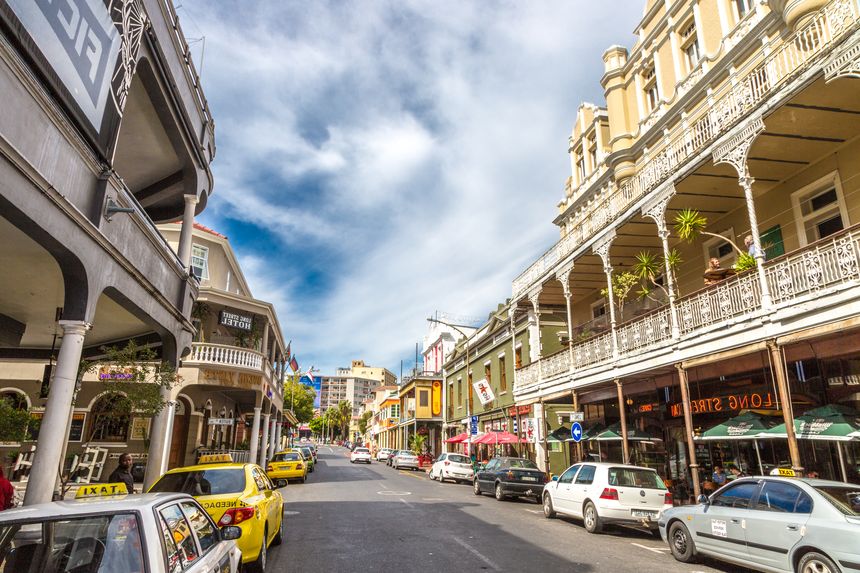
While major cities, and Johannesburg in particular, have a reputation for being dangerous (houses are protected by barbed wire), Cape Town is somewhat removed from this anxiety. That said, some basic rules should be followed to avoid any risk.
Avoid obvious displays of wealth as much as possible (designer bags, luxury watches, etc.). Do not carry large amounts of cash on you. In your car, never leave anything in plain sight that might attract attention.
While you are perfectly safe during the day, avoid walking alone at night in quiet or deserted streets. Also in the evenings, it is not uncommon to be approached by dealers offering cocaine or other substances. No need to panic — simply ignore them or say no.
If you were ever to be mugged (something that has never happened to me in 20 years), do not try to be a hero. Hand over the little you have on you.
Drive on the left
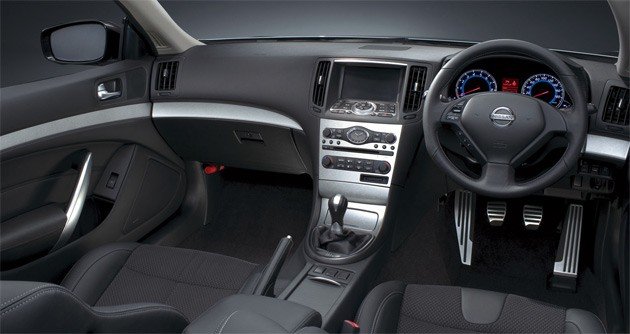
In South Africa, you drive on the left as in England. If you are not entirely comfortable with this, I would recommend booking a vehicle with an automatic gearbox for added ease. If the prospect fills you with dread, simply make sure that while driving, the right side of your car aligns with the left edge of the road markings — you will then be correctly positioned on the road.
With inexpensive cocktails and excellent wines on offer, do be careful if you are driving. The legal alcohol limit is 0.5mg/ml. Checks are infrequent, but the penalties can be severe.
Important: day or night, never leave any visible items in your car.
Finally, on the road, you will notice that the hard shoulder often serves as a second lane. Trucks frequently pull over onto it to allow cars to overtake. A quick flash of your hazard lights is the customary way to say thank you.
Spare some change
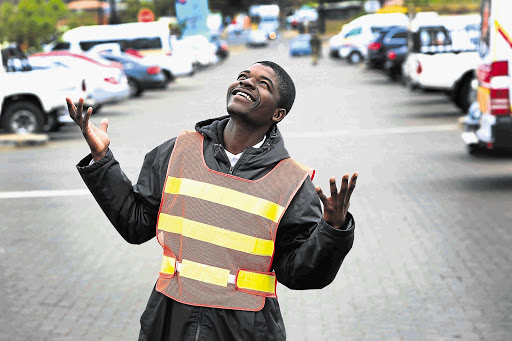
When parking, you will not find any parking meters. An official attendant will systematically come to see you and charge you according to the duration you choose. They will place a ticket on your windscreen.
In the evening, paid parking no longer applies, but a small informal economy steps in to replace the official attendants. You will encounter “car guards” everywhere, and it is customary to give them a 5R coin when you return to your vehicle.

Stay healthy
Travelling in South Africa requires no vaccinations or medication. If you are planning a safari, you may want to bring insect repellent sprays for your skin and clothing. In the Kruger region, there is no particular health risk (malaria, amoebiasis, etc.), but to avoid being bitten it is best to wear long trousers and a long-sleeved shirt. Mosquitoes are more prevalent during the rainy season.
Tap water is safe to drink and closely monitored in South Africa. Ice cubes are also perfectly safe to consume.

Uber is your best friend
Cape Town is a city where having a car is preferable. If that is not the case, the Uber service has expanded greatly there and is VERY affordable. As for taxis, never hail one on the street. Many are reluctant to start their meter and will demand extortionate fares upon arrival — not to mention the fake taxis that will insist on taking you home. It is far better to book through official companies such as Intercab or Unicab.
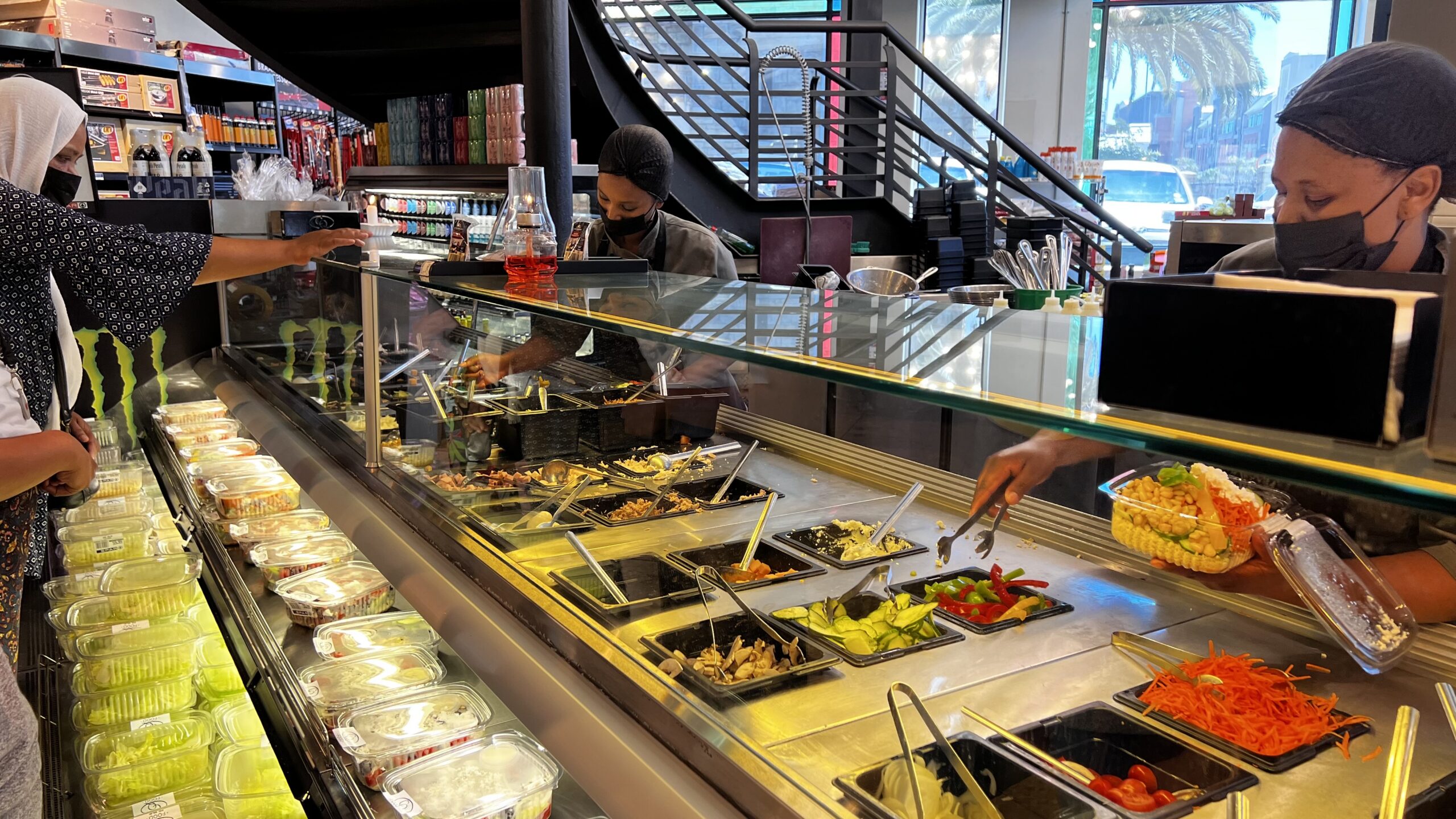
Pick up your picnic
Throughout South Africa, you will find food retailers such as Woolworths Food, Spar and Checkers. In Cape Town, at the back of the Spar in the Cape Lifestyle Quarter, you can have a salad made up to your liking — ideal for a picnic on the beach.
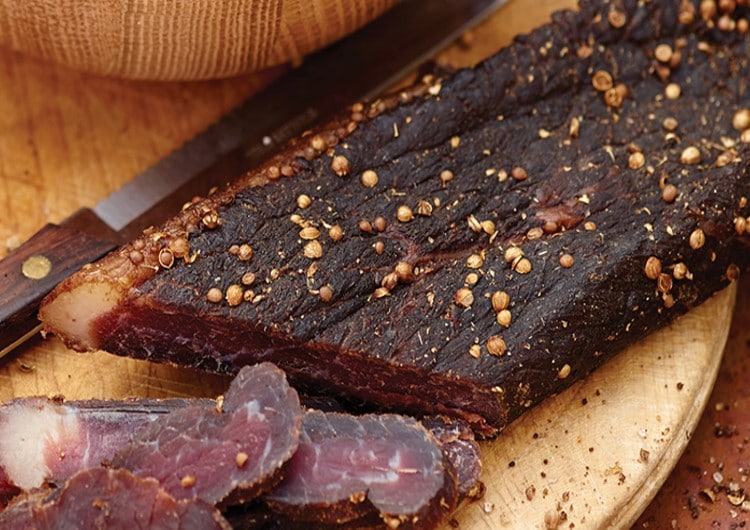
Try the biltong
Biltong is to South Africans what saucisson is to the French. You will find this dried and spiced meat just about everywhere in South Africa — in dedicated shops (often in malls) where they will prepare the biltong of your choice (beef, springbok, kudu, ostrich), in bags at supermarkets and convenience stores, and at butchers.
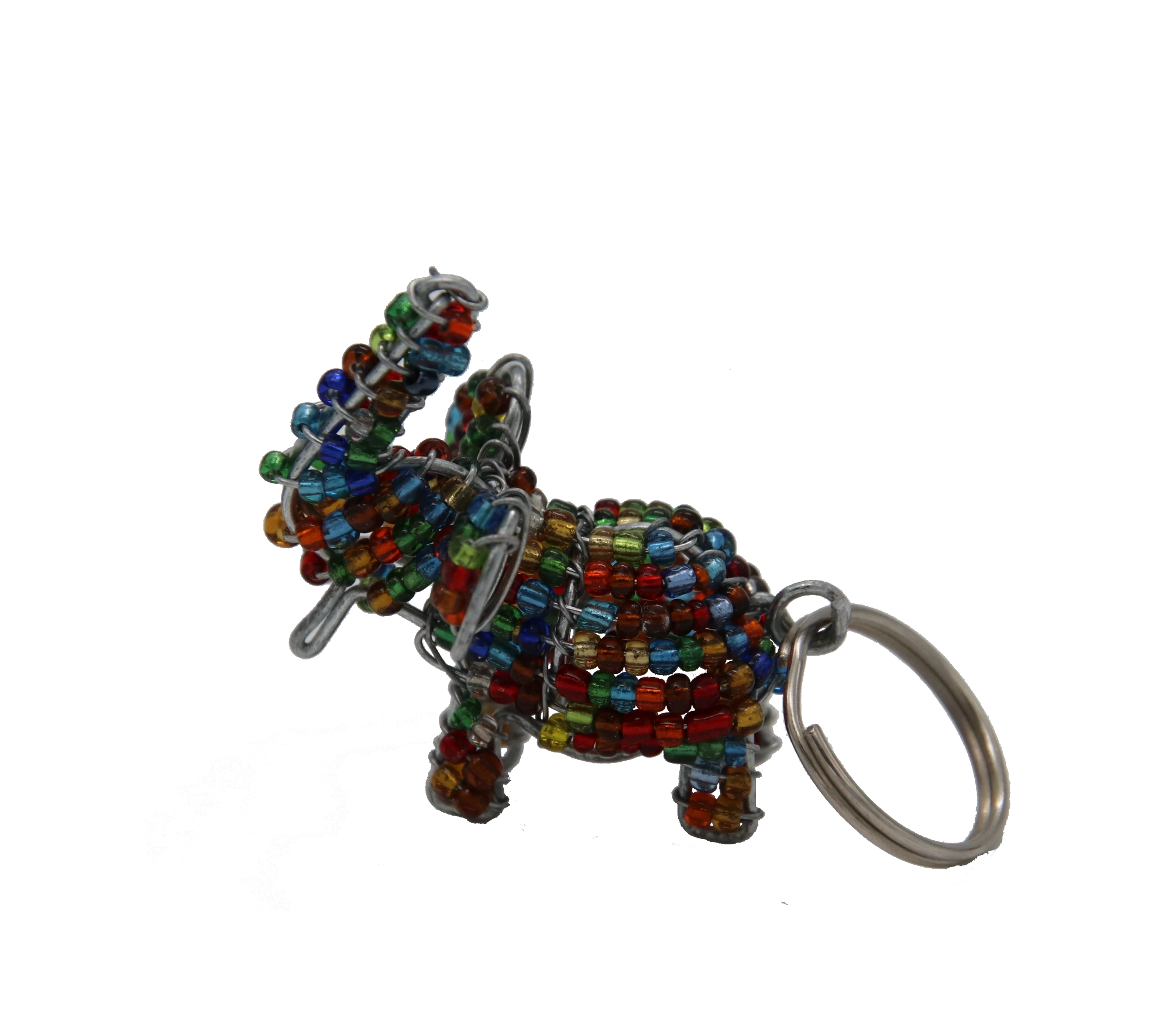
Pick up some beaded animals
Not a single souvenir shop is without its wire and bead animal figures. People bring them back as souvenirs and gifts — elephants, ladybirds, giraffes, fish, lions, zebras. There is no escaping them. Whether as decorative objects or keyrings, and beyond these small figurines, there are also some truly remarkable works of art to be found.
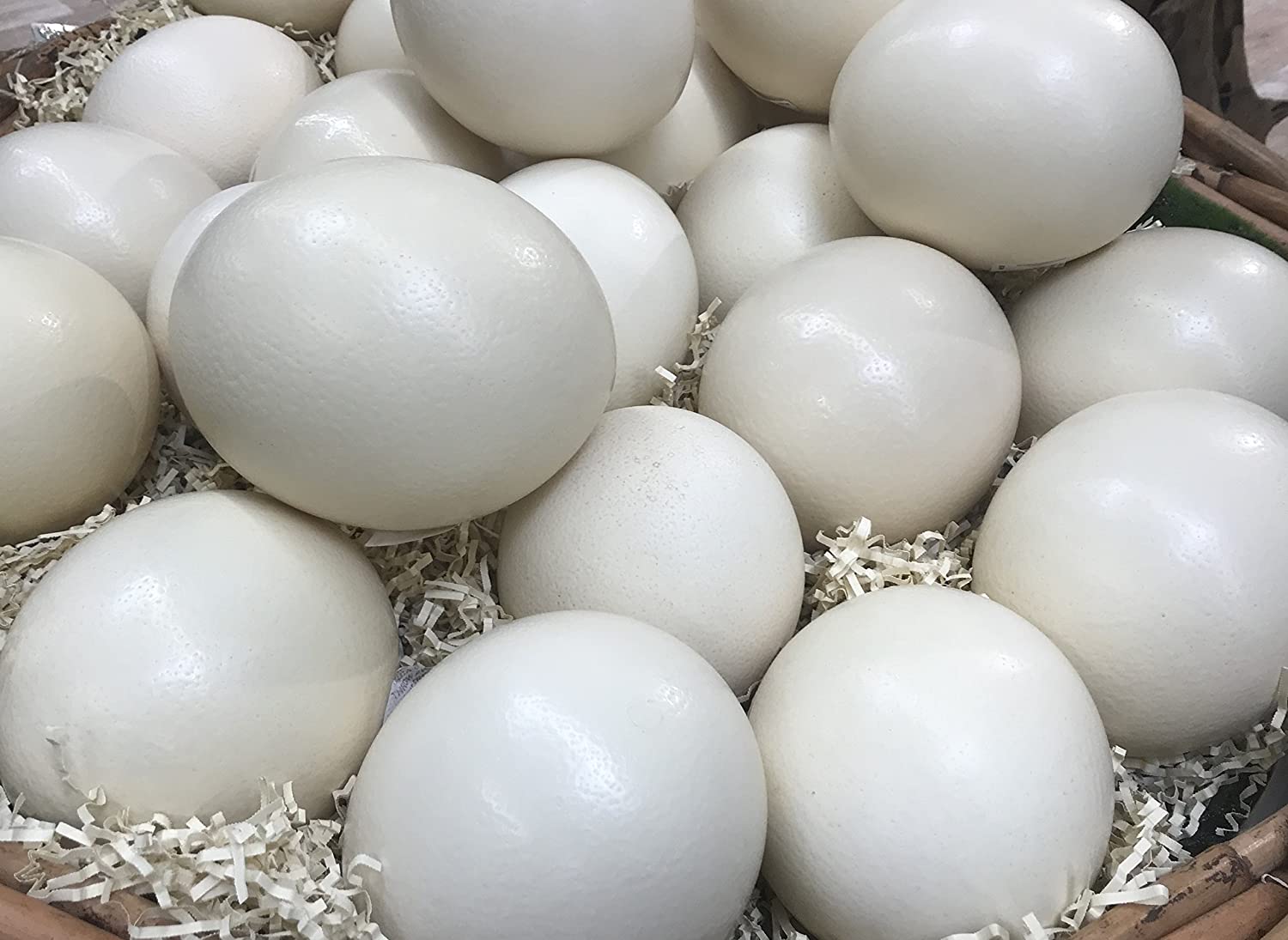
Bring back ostrich eggs
Natural and mounted on a stand, painted, sculpted, transformed into a lamp or simply used as a decorative object, the ostrich egg is a must-buy in South Africa. Take care to examine them carefully before purchasing. An egg should have no blemishes — or as few as possible. Note that the smaller the opening at the base of the egg, the greater its value.
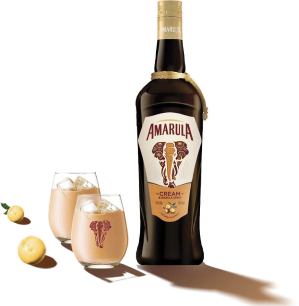
Try the South African drink
Legend has it that when the scent of ripe marula fills the air, elephants travel great distances to taste it. This is the signal to begin the harvest. About the size of small oval plums, the marula is a succulent fruit with a citrusy flavour and a creamy, nutty taste. Similar to Baileys, you will enjoy a glass of Amarula as an aperitif.
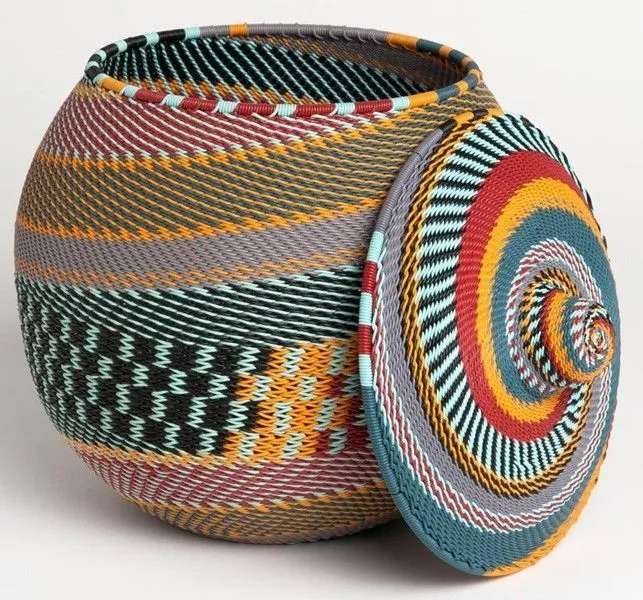
You will love Zulu art
The basket weaver Rueben Ndwandwe (1941-2007) was a talented African craftsman and designer who created a unique way of weaving baskets from telephone wire. The shapes are enhanced by bold, contrasting graphic colours. You will find them in decoration shops — catch-all trays, dishes, baskets and more.
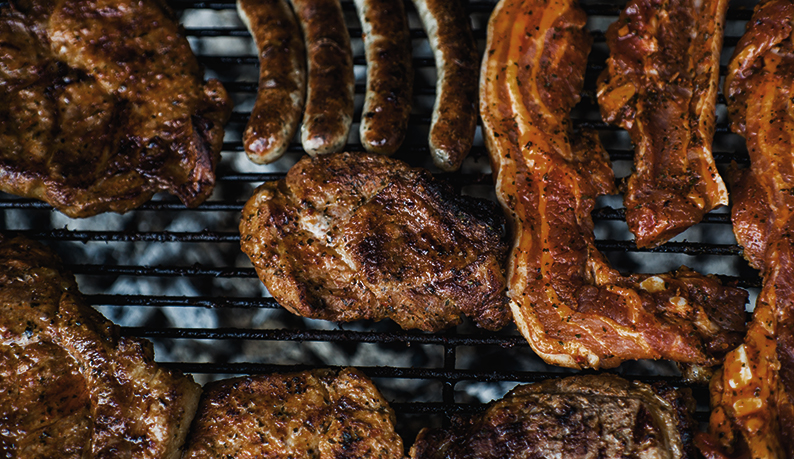
You might just have a Braai
If you get friendly with the locals and they invite you to a Braai, know that this is a barbecue — a great South African tradition. An afternoon in the garden, sometimes by the pool, dedicated to good company. Grilled sausages and meats accompanied by generous salads, washed down with plenty of red and white wine straight from the surrounding vineyards, and South African sparkling wine known as “Cap Classique.”
You’ll find petrol at the airport
In Johannesburg, follow the “Return Rent Car” signs, keeping to the right at all times. An exit (going downhill) indicates a petrol station. Take this exit and then take a small ramp on your left which will lead you to the station.
In Cape Town, filling up at the airport before returning your rental car can be a headache — here is the secret. When you arrive at the airport, follow the signs for “Return Rent Car.” Instead of joining the dedicated return lane, follow the N2 exit road. Drive until you reach the petrol station on your left. From the station, head back in the direction you came from and you will have direct access to the Car Return.
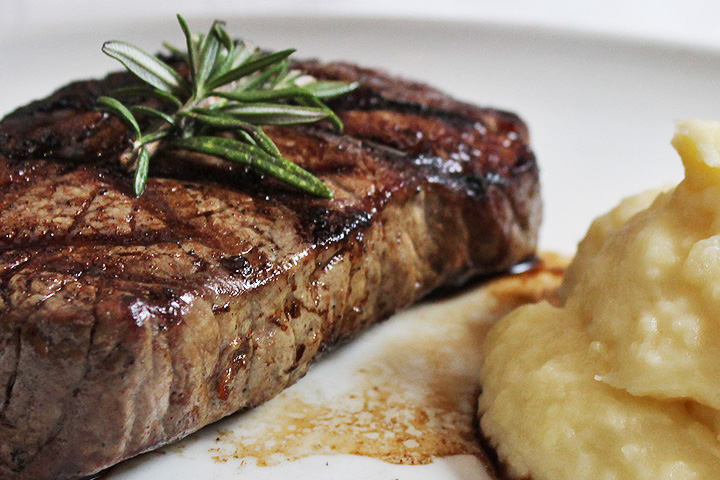
Your meat, cooked to perfection A quick guide to meat cooking terms.
Blue rare — As the name suggests, blue. Your meat will be cooked in a quick two-minute sear. Almost raw.
Rare — Lightly cooked, the meat is warm but remains very red.
Medium rare — The meat is still pink and slightly bloody. This is what the French call “à point.”
Medium & Medium well — Very little juice or blood remaining. Almost well done.
Well done — Fully cooked. A shame, given the exceptional quality of meat in South Africa.
Sirloin is by far the most tender cut — a delicious thick steak.